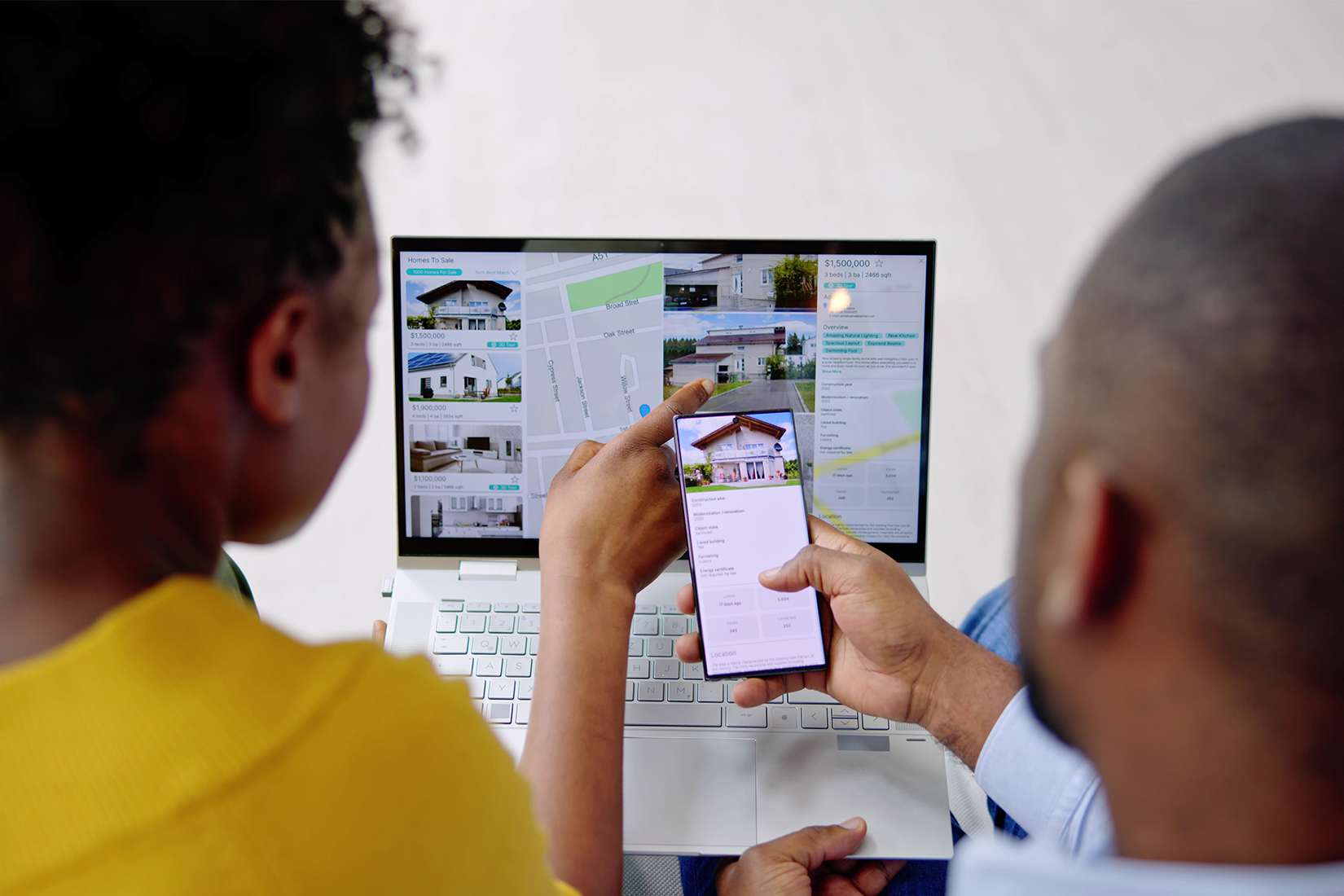
If you’ve been asking yourself whether 2026 is finally the year to stop renting and buy a home, you’re not alone. Many renters are doing the same math right now, especially here in the Triad. In many cases, the best answer comes down to how long you plan to stay, how stable your finances are, and whether buying fits your life right now—not just what headlines say about the market.
Quick answer: In 2026, buying may make sense if you plan to stay put for a few years, have room in your budget for more than just the mortgage payment, and are financially prepared for upfront costs and ongoing homeownership expenses. Renting may be the more sensible choice if you need flexibility, expect to move soon, or would be stretching your budget too thin to buy. While the gap between renting and buying has narrowed compared to the last few years, buying still works best when the timing makes sense for you, not just the market, whether you're in Winston-Salem or anywhere across North Carolina.
The real question is not "Is buying cheaper than renting?"
It’s become common to compare rent to a mortgage payment and stop there. But that’s really only part of the picture.
Buying a home usually comes with a down payment, closing costs, prepaid taxes and insurance, maintenance, repairs, and the day-to-day reality of owning the place instead of calling a landlord. Renting can feel more expensive month to month because you’re not building equity, but it also offers predictability in some areas. If the water heater breaks, that problem typically is not yours.
The question that tends to lead to a better decision is: Does buying make sense for your finances, your timeline, and your lifestyle in 2026.
When buying can make sense in 2026
For many renters, buying starts to make more sense when a few key pieces are in place.
1) You plan to stay in the home for a while
If there’s a good chance you’ll move again in a year or two, renting may still be the better fit. Buying usually makes more sense when you expect to stay put long enough to spread out upfront costs and give yourself time to benefit from building equity, something many buyers across Winston-Salem and the greater Triad are thinking through right now.
That doesn’t mean you need to promise you’ll stay forever, but buying tends to work better when it’s tied to some level of stability
2) Your monthly budget can handle the full cost of ownership
This is a big one. A mortgage payment is only one part of the monthly cost. You also need to think about property taxes, homeowners’ insurance, utilities, maintenance, HOA dues if applicable, and the reality that unexpected repairs happen.
If buying would leave you house-rich and cash-poor, that’s usually a sign to pause
3) You have savings beyond just the down payment
Many first-time buyers may focus on the down payment, but cash to close can include more than that. Depending on the loan and the transaction, buyers may also need funds for closing costs, prepaid items, earnest money, inspections, moving expenses, and reserves after closing.
Being able to buy is not always the same as being comfortably ready to buy.
4) Your credit, income, and overall financial picture support the purchase
You don’t need perfect finances to buy a home, but you do want a financial foundation that supports the payment comfortably.
That can include things like steady income, manageable debt, a credit profile that helps you qualify for financing, and a purchase price that fits your real-life budget—not just the maximum number on paper.
5) You are ready for the responsibilities of homeownership
Owning a home can bring freedom, pride, and stability. It can also bring maintenance, repairs, and ongoing decisions that renters may not have to deal with.
For some people, that tradeoff is worth it right now. For others, renting is still the better lifestyle fit for the season they are in.
When renting may still make more sense
Sometimes the smartest move is to keep renting a little longer.
Renting may still make more sense in 2026 if:
- you expect to relocate in the near future
- your emergency savings would be wiped out by buying
- you are still working on credit, debt, or budgeting goals
- your job situation or income is in transition
- you want more time to decide where you truly want to live, whether that’s in Winston-Salem, another part of the Triad, or elsewhere in North Carolina
- the monthly cost of buying would stretch you too far
The good news is that you do not have to perfectly predict the market to make a smart decision..
A good buying decision is more than timing the market
Trying to perfectly time mortgage rates, home prices, or the broader market can keep people stuck.
In reality, the better move is often to understand what buying would look like for you now, what it might look like if you wait, and whether moving forward fits your goals.
That’s where a real conversation can help. Sometimes buyers are closer than they think. Others need a little more time and a clear plan. Either way, knowing where you stand is usually better than guessing.
Bottom line: In 2026, buying a home makes the most sense when you are financially prepared, plan to stay for a while, and can comfortably handle the full cost of homeownership. Renting may still be the better option if you need flexibility or feel like buying requires a bit more planning on your end. The goal is not to buy just because the market looks a little better but rather to buy when the move makes sense for your life
FAQs About Renting vs. Buying in 2026
Is it better to rent or buy in 2026?
There is not a one-size-fits-all answer. Buying may make sense if you have stable finances, plan to stay put, and are ready for the full costs of ownership. Renting may be better if you need flexibility or are still building your financial foundation.
Does buying a home always cost less than renting?
Not always. In some cases, renting may be less expensive month to month, especially in the short term. Buying can still make sense for other reasons, like stability, building equity over time, or having more control over your space.
How long should I plan to stay in a home before buying makes sense?
That can vary, but in general, buying tends to make more sense when you expect to stay in the home for at least a few years. That gives you more time to absorb upfront costs and benefit from ownership.
What costs should I consider besides the mortgage payment?
Buyers should also think about property taxes, homeowners’ insurance, maintenance, repairs, utilities, HOA dues if applicable, closing costs, prepaid items, and moving expenses.
Should I wait for rates to drop more before buying?
Not necessarily. Waiting only for rates can keep buyers on the sidelines too long. A better approach is to understand what you qualify for now, what payment feels comfortable, and whether buying fits your current goals.
Can I buy a home in 2026 if I do not have a huge down payment?
Many buyers are surprised to learn that a large down payment is not always required. The right loan option depends on your qualifications, financial picture, and the type of financing available.
Wondering whether renting or buying makes more sense for you in 2026? The Sharpe Mortgage Team can help you look at the numbers, talk through your options, and understand what buying could realistically look like based on your goals and timeline. Reach out today! Call
(336) 575-9448 to start the conversation..