Build or Renovate With a Sharpe Construction Loan Plan
Financing made simple for builds and renovations
Building or seriously renovating a home comes with more moving parts than a traditional purchase. The Sharpe Mortgage Team helps buyers and homeowners across the Triad and the Southeast understand construction and renovation loans so they can build with confidence, not confusion.
Whether you’re working with a custom builder, buying a lot, or updating the home you already love, we’ll help you choose the financing that fits your plans and your budget.
What is a construction-to-permanent loan?
A construction‑to‑permanent loan finances the cost of building your home and then converts to a regular mortgage once construction is complete.
During the construction phase, funds are released in stages (known as draws) to pay your builder as work is completed and inspected. When the home is finished, the loan typically converts to a long‑term mortgage so you don’t have to go through an entirely new closing.
Who this is usually right for:
- Buyers working with a builder to design and build a new primary residence.
- Clients who want one closing that covers both construction and their long‑term mortgage.
- Borrowers who prefer to lock in their long‑term financing plan up front.
What is a renovation loan?
Renovation loans are designed for homes that need significant work—whether you already own the property or you’re buying a fixer‑upper. These programs allow you to roll the cost of repairs or improvements into your mortgage.
Instead of paying for major updates out of pocket or juggling multiple loans, you can finance the project and the home together.
Who this is usually right for:
- Buyers who see potential in a home that needs updates or repairs.
- Homeowners planning big projects like additions, structural changes, or major remodels.
- Clients who want to spread renovation costs over time instead of using only cash or short‑term credit.
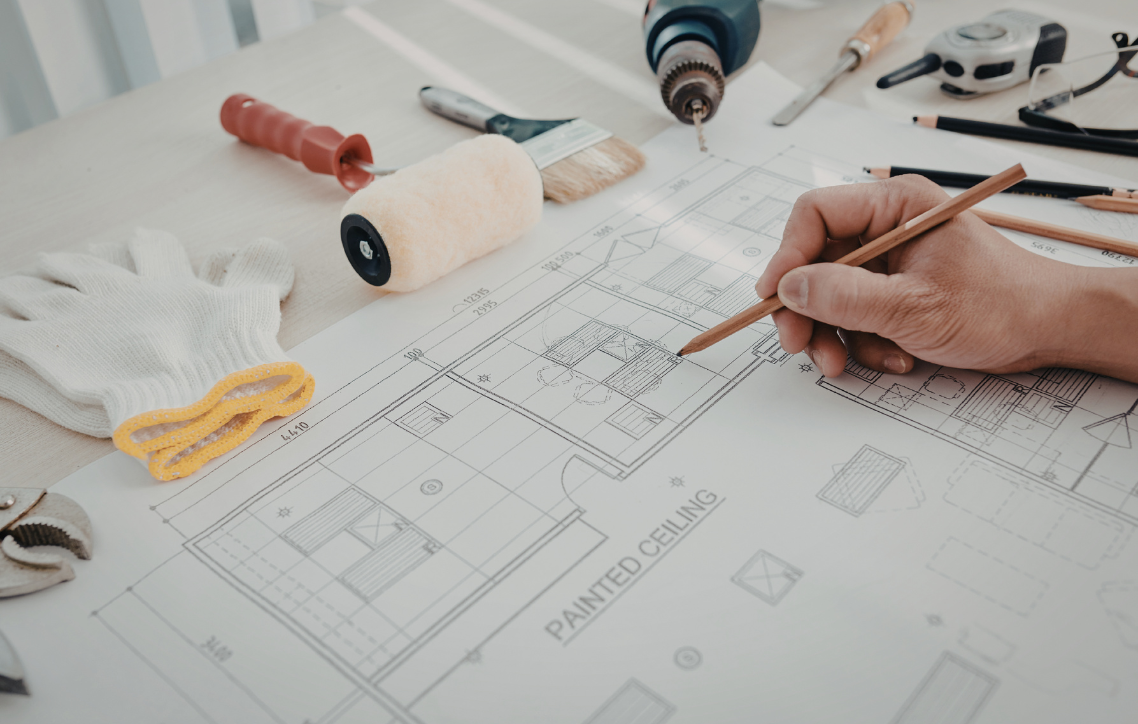
How construction and renovation loans work in practice
Construction and renovation loans work differently than traditional mortgages. Instead of receiving all funds upfront, financing is tied to your project timeline—covering everything from initial plans through final completion.
Is a construction or renovation loan right for you?
These loan types can be powerful tools, but they’re not for every situation. They’re often a good fit if you:
- Have a clear plan for your project and a builder or contractor you trust.
- Are comfortable with a more involved approval and documentation process.
- Want a financing structure that matches how construction actually happens—over time, in stages.
If your project is smaller or you mainly need flexibility for future work, a
HELOC or traditional refinance might be a better option. We’ll compare those side by side with you.
The Sharpe way to build or renovate
Working with construction and renovation loans is about more than paperwork. It’s about coordinating with your builder, watching timelines, and making sure the financing doesn’t slow your project down. Sharpe Mortgage Team will:
Project budget clarity
Help you understand how much you can comfortably borrow for the project and the finished home.
Builder coordination
Coordinate closely with your builder or contractor on documentation and draw schedules.
Clear communication throughout
Keep you updated as each stage is completed so there are no surprises when your loan converts.
Ready to talk about building or renovating?
If you’re thinking about building a home or tackling a major renovation, the best time to talk about financing is before you finalize plans.